
“The Original” rescues both our history and the dignity of an immensely popular star who re-engineered herself over decades to survive.
by: Charles Francis
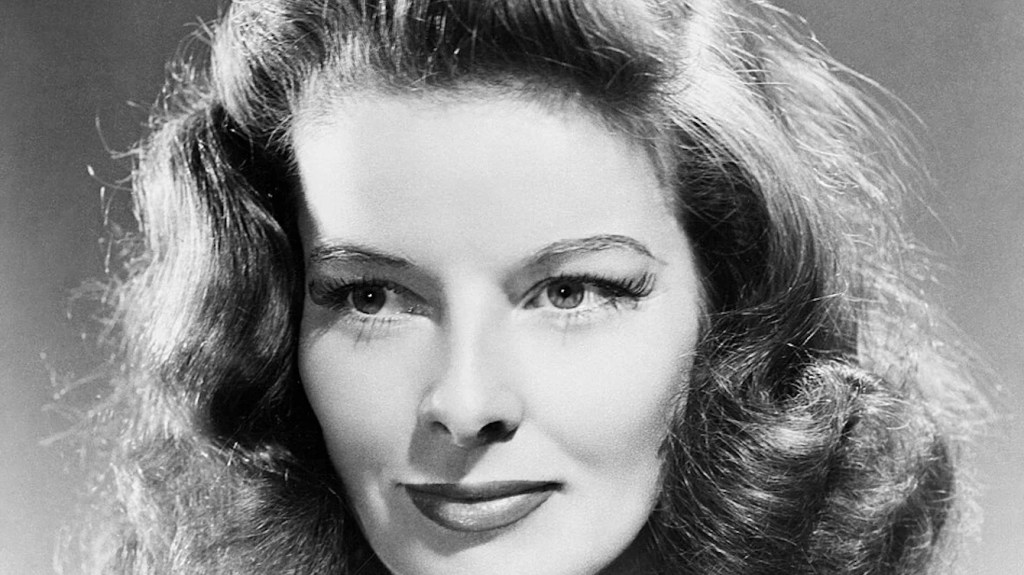
At last, there is a novel about Katharine Hepburn.
Hepburn’s director and friend, George Cukor, would hate it, as would Hepburn herself, who would despise it with her trademark imperious finality. Readers, especially gays and lesbians who love their Turner Film Classics, will savor it because it rings so true. The Original by Priya Parmar is not another Hepburn biography; it is a work of historical fiction that conveys the emotional life of a woman who was a Rubik’s Cube of masks, roles, and selves.
Who was “Kate Hep,” as she would sign her notes? Parmar has created a breathtaking novel of research, yielding the emotional terrain of this self-created and unknowable woman. Even so, after reading The Original, readers may well conclude that at her core, Hepburn was a lesbian.
Despite all the movable “cubies,” even Rubik’s Cubes have a core. So often Hepburn is described as an opaque bi-riddle or in consummate love with the bisexual and married Spencer Tracy. Still, this does not really align the cubies. She and Tracy lived cocooned on a block off Sunset Blvd. in the garden compound of Cukor, the closeted gay legendary director.
For decades, this was a gay kingdom behind walls, a place where Cary Grant swam with Randolph Scott. Why does this matter now? It matters because LGBTQ+ Americans are still excavating the erasure of our history. We must, especially in these times of total political assault. The Originalrescues both our history and the dignity of an immensely popular star who re-engineered herself over decades to survive.
The Hepburn family summer beach cottage, 1921. Fenwick, Connecticut

The summer Kate cuts off her hair.
CLOSE UP: Ten-year-old Kate, wielding scissors, cutting her long red hair. Brother Tom, 12, watches in disbelief because his sister has made such a hash of it. “Fix it,” she tells him. Obligingly, young Tom goes to work, cutting her curls in front of the bathroom mirror, where they assess her new boy-style, which she would perfect years later when she impersonated a man in the 1935 film, “Sylvia Scarlett.”
“You look like my brother”, Tom says. “I am your brother,” she never minced words. Hepburn’s emotional journey begins at this moment of self-recognition. Parmar dramatizes the impact when Tom and Kate arrive at dinner: “Good God!” her father shouts. “What were you thinking?”
Her mother, Kit, who will become head of the Connecticut Women’s Suffrage Association, reassures, “I think you have done a very good job.” Kate and Tom’s story, this special bond, soon ends in a tragedy and trauma that would haunt Hepburn from Broadway to Hollywood and back, forever.
Hepburn’s unforgettable filmography
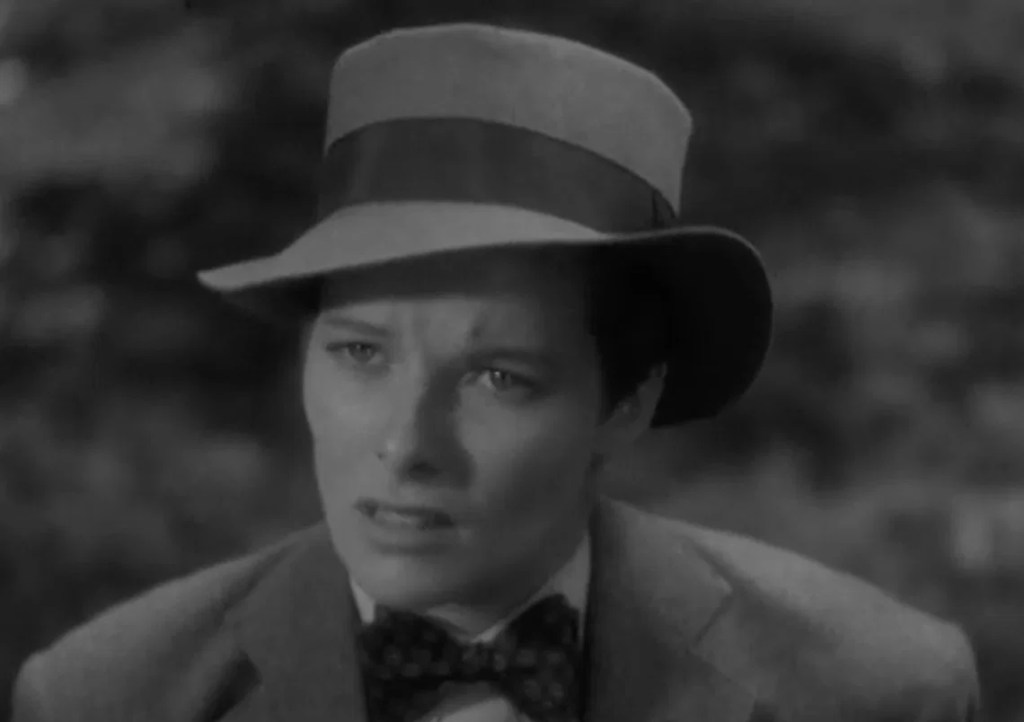
The first was her debut 1932 hit, “A Bill of Divorcement,” directed by Cukor. At her side and in her bed throughout the run of her first Broadway play and new life in Hollywood was Laura Harding. A Fifth Avenue heiress and actress wannabe, Harding was Kate’s first love and guiding presence for years.
There is no equivocation in The Original about the relationship with Harding. Indeed, the novel’s introduction of Harding begins at her naked thigh in her New York apartment: “Kate rests her head on Laura’s thigh, sips in the comfort, and then stands looking around for her shoes. Practicalities.”
Kate’s husband went by Luddy, the perfect preppy nickname. His full name was Ludlow Ogden Smith. He granted Kate a carefully orchestrated secret divorce in Mexico after six years of marriage. She needed to be single for her fans, she felt. No husbands like Luddy, and soon no women like Laura, who could not be trusted, and no other affairs like the ones she enjoyed with her agent, Leland Hayward, or Howard Hughes (“She makes a beautiful boy”, Hughes once said.) Like a fabulous reptile shedding skins to maximize her fame, Hepburn’s “work is who she is now”, writes Parmar of Hepburn’s turning point in LA.
It worked. The industry line for years was well expressed in a 2001 normcore memoir by Martin Jurow, a William Morris Agency film producer. The “two great loves of her life were John Ford and Spencer Tracy… while she was a magnet for troubled men like Montgomery Clift… or troubled spirits like Judy Garland,” Jurow wrote in Seein’ Stars, A Show Biz Odyssey.
Hepburn did her best to dismiss it all decades later in her 1991 memoir, Me: “People gossiped about Laura and me, and I never knew it… There was a very strong rumor that we were lesbians.” Parmar’s novel demolishes the “never knew it” story.
Kate not only denied the rumors, but she also never stepped forward to support the lesbian or gay community’s liberation. Not a word of support came from the woman who played a man in “Sylvia Scarlett” and lived for years in Cukor’s compound. The Katharine Hepburn you think you know was not just a coward; she was a creation.
What might have happened

The Original is grounded in research of Kate’s correspondence and the landscape of biographies, interviews, and primary documentation. Parmar is a researcher and novelist. Her fiction flourishes in what she describes as “The negative spaces of missing or fragmented correspondence.”
“I was interested in what might have happened,” she explains.
“I write to a question—what is the deal you make (and the compromises) to live the life you want to create?” Parmar’s novel covers Kate’s Hollywood liftoff in the 1930s. At age 84, in an interview with Barbara Walters, Hepburn waved away her deals and compromises in those days without further explanation. Walters did not raise the issue of co-stars like Grant, directors like Cukor, or gender in the 1930s. “I’m one track, and very extreme in my point of view”, Hepburn told Walters. One track for the career, no entangling relationships or marriage after Luddy. There were no compromises or reveals about Tracy. She did not attend his funeral or meet with his wife, the mother of his two children. Certainly, there was no room for Harding.
The Original gives us a glimpse into what may have been Hepburn’s reality, rather than the carefully crafted persona she presented to the public.
This article was originally published on LGBTQ Nation.

